
Joint Pain aur Arthritis ka Ayurvedic Treatment: 7 Natural Ways
Joint pain is one of the most common health problems seen in people of all ages today. Earlier, it was considered a problem of older adults, but now even young people experience stiffness, body pain, and discomfort in their knees, shoulders, fingers, and back. Sitting for long hours, unhealthy food habits, lack of exercise, stress, and poor sleep all contribute to joint-related issues.
Many people depend on temporary painkillers for relief. While these medicines may reduce pain for some time, they usually do not address the deeper cause of the issue. This is where Joint Pain aur Arthritis ka Ayurvedic Treatment offers a more natural and holistic path.
Ayurveda focuses on improving the body from within by balancing doshas, reducing inflammation naturally, and supporting stronger joints. At Osho Universe, Ayurvedic wellness is approached through natural healing methods, herbs, diet guidance, and lifestyle improvements.
What is Joint Pain and Arthritis?
Joint pain refers to discomfort, swelling, or stiffness in any joint of the body. It can affect movement and daily activities such as walking, climbing stairs, writing, or lifting objects.
Arthritis is a condition where joints become inflamed. It can lead to pain, reduced mobility, swelling, and stiffness.
There are different types of arthritis.
Osteoarthritis
This is usually caused by wear and tear of joints over time. It commonly affects knees, hips, and hands.
Rheumatoid Arthritis
This is an autoimmune condition where the immune system attacks healthy joints, causing inflammation.
Gout
This happens due to uric acid buildup in joints, often causing sudden pain.
Understanding the type of arthritis is important before beginning treatment.
Symptoms of Joint Pain and Arthritis
Symptoms may develop slowly or suddenly depending on the condition.
Common symptoms include:
Joint stiffness
Many people feel stiffness especially in the morning after waking up.
Swelling
Inflammation may cause joints to look swollen or puffy.
Pain during movement
Walking, bending, or climbing stairs may feel uncomfortable.
Reduced flexibility
Movement becomes limited over time.
Warmth around joints
Inflamed joints may feel warm when touched.
Cracking sounds
Some people hear clicking or cracking sounds while moving joints.
If ignored, symptoms may worsen gradually.

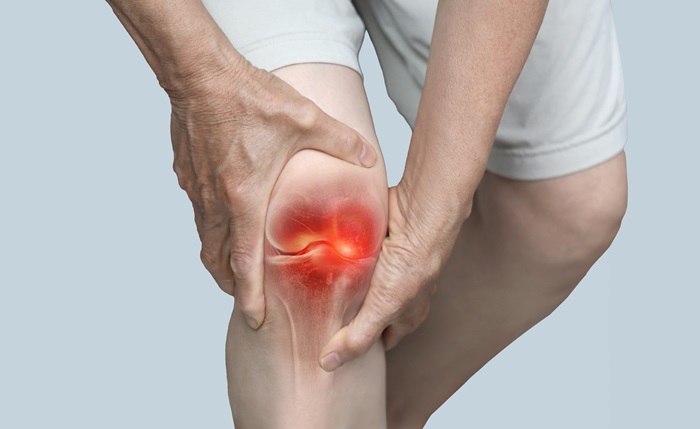
Causes of Joint Pain and Arthritis
Joint pain can happen due to multiple reasons.
Aging
As age increases, cartilage may naturally weaken.
Weight gain
Extra body weight puts pressure on joints, especially knees.
Poor posture
Incorrect sitting and standing habits stress the joints.
Injury
Old injuries can trigger pain years later.
Lack of movement
Inactive lifestyle reduces joint flexibility.
Inflammation
Chronic inflammation can damage tissues.
Autoimmune conditions
Some immune disorders attack joints directly.
Unhealthy diet
Processed food, sugar, oily food, and excessive salt can increase inflammation.
Ayurvedic Understanding of Joint Pain
According to Ayurveda, joint pain is mainly linked to imbalance in Vata dosha.
Vata governs movement in the body. When Vata becomes aggravated, dryness, stiffness, cracking, and pain can increase.
Joint issues may also involve:
Ama accumulation
Ama refers to toxins created due to weak digestion. These toxins accumulate in joints and cause blockage.
Weak digestion
Poor digestion creates inflammation and toxin buildup.
Low lubrication
Dryness in tissues reduces smooth joint movement.
Ayurveda focuses on removing toxins, balancing doshas, and nourishing tissues naturally.
Joint Pain aur Arthritis ka Ayurvedic Treatment
Joint Pain aur Arthritis ka Ayurvedic Treatment works on the root cause instead of only masking symptoms.
Herbal therapies
Ayurvedic herbs help reduce inflammation and support flexibility.
Common herbs include:
Ashwagandha
Supports strength and reduces stress.
Shallaki
Known for supporting joint comfort.
Guggul
Used traditionally for inflammation support.
Turmeric
Contains natural anti-inflammatory properties.
Ginger
Supports digestion and circulation.
Diet Recommendations for Joint Health
Food plays an important role in joint healing.
A joint-friendly diet should include warm, nourishing foods.
Helpful foods
Fresh vegetables, warm soups, fruits, nuts, seeds, and whole grains are beneficial.
Hydration
Drinking enough water supports lubrication.
Anti-inflammatory foods
Turmeric milk, ginger tea, and seasonal vegetables can be useful.
Foods to avoid
Processed foods, cold drinks, refined sugar, excessive fried food, and packaged snacks may worsen inflammation.
Good digestion is essential in Ayurveda.
Yoga and Lifestyle Changes
Movement is important, but overexertion is not helpful.
Gentle movement supports circulation and flexibility.
Yoga practices
Simple yoga postures can improve mobility.
Useful practices include:
- Tadasana
- Bhujangasana
- Vajrasana
- Trikonasana
Daily walking
Walking improves circulation and joint function.
Oil massage
Warm sesame oil massage may help relax stiff joints.
Proper posture
Sitting correctly reduces pressure.
Stress and Sleep Impact on Joint Pain
Stress is often ignored in physical pain conditions.
Chronic stress increases inflammation and muscle tightness.
Poor sleep also slows body recovery.
Helpful practices include:
Meditation
Supports mental calmness.
Deep breathing
Improves oxygen flow.
Regular sleep routine
Sleeping on time helps tissue repair.
Reduced screen time
Helps better sleep quality.
Benefits of Ayurvedic Healing for Joint Pain
Ayurveda offers a broader healing approach.
Benefits may include:
Natural support
Uses herbs and lifestyle methods.
Better mobility
Improved flexibility over time.
Reduced stiffness
Warm therapies and balancing practices support smoother movement.
Improved digestion
Less toxin buildup means healthier tissues.
Holistic wellness
Body and mind are treated together.
At Osho Universe, natural wellness principles are integrated to support long-term health improvements.
Why Choose Ayurveda for Joint Pain?
Painkillers often focus only on symptom relief.
Ayurveda focuses on:
- balancing doshas
- improving digestion
- reducing inflammation naturally
- strengthening tissues
This makes it a more complete wellness approach.
Consistency is important in natural healing.
Conclusion
Joint discomfort can affect quality of life deeply. Difficulty walking, bending, or completing simple tasks can create frustration and dependency.
However, healing is possible through a balanced approach.
Joint Pain aur Arthritis ka Ayurvedic Treatment offers natural support by addressing digestion, inflammation, Vata imbalance, and tissue nourishment together.
With proper herbs, better food habits, gentle movement, stress management, and lifestyle improvements, joint health can be supported naturally.
At Osho Universe, Ayurvedic wellness focuses on holistic healing that supports long-term balance and healthier living.
FAQs
Can Ayurveda help with arthritis naturally?
Ayurveda focuses on balancing the body, improving digestion, and reducing inflammation naturally.
Which herb is best for joint pain?
Turmeric, Shallaki, Ashwagandha, and Guggul are commonly used in Ayurveda.
Is walking good for arthritis?
Gentle walking may support flexibility and circulation.
What foods should be avoided in arthritis?
Processed foods, excessive sugar, fried foods, and cold drinks are often avoided.
Can stress worsen joint pain?
Yes, stress may increase inflammation and body tension.
How long does Ayurvedic healing take?
Results vary depending on body condition, lifestyle, and consistency.