
Ayurvedic Treatment for Kidney Stones: A 100% Natural & Permanent Solution
Kidney stones are one of the most painful urinary conditions people experience. The discomfort often begins as mild pain in the lower back or side and can suddenly turn into intense cramps, burning urination, nausea, or difficulty passing urine. For many individuals, the biggest frustration is not just the pain itself but the repeated recurrence of stones even after medical procedures or temporary medication.
This is where Ayurvedic treatment for kidney stones offers a more holistic approach. Ayurveda does not only focus on removing the stone; it aims to correct the internal imbalance responsible for stone formation in the first place. By improving metabolism, detoxifying the urinary system, and balancing the body’s doshas, Ayurveda supports both recovery and prevention.
At Osho Universe, kidney stone management is approached through traditional Ayurvedic wisdom combined with personalized healing practices that help individuals restore urinary and kidney health naturally.
Understanding Kidney Stones
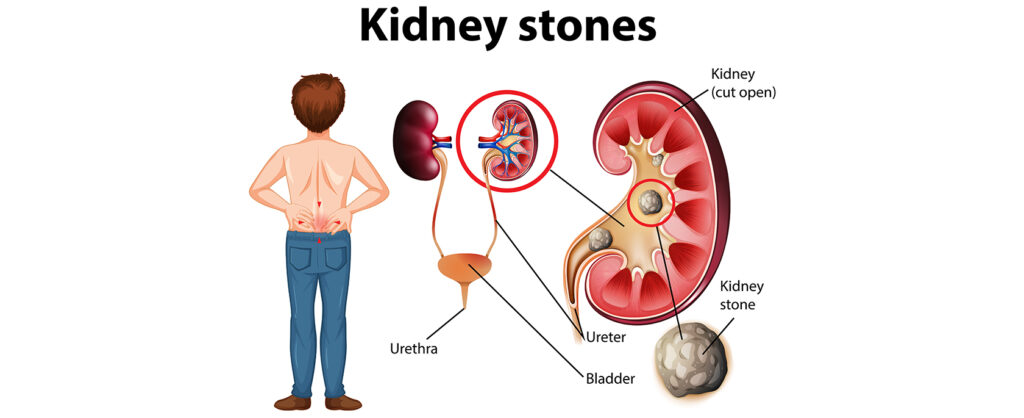
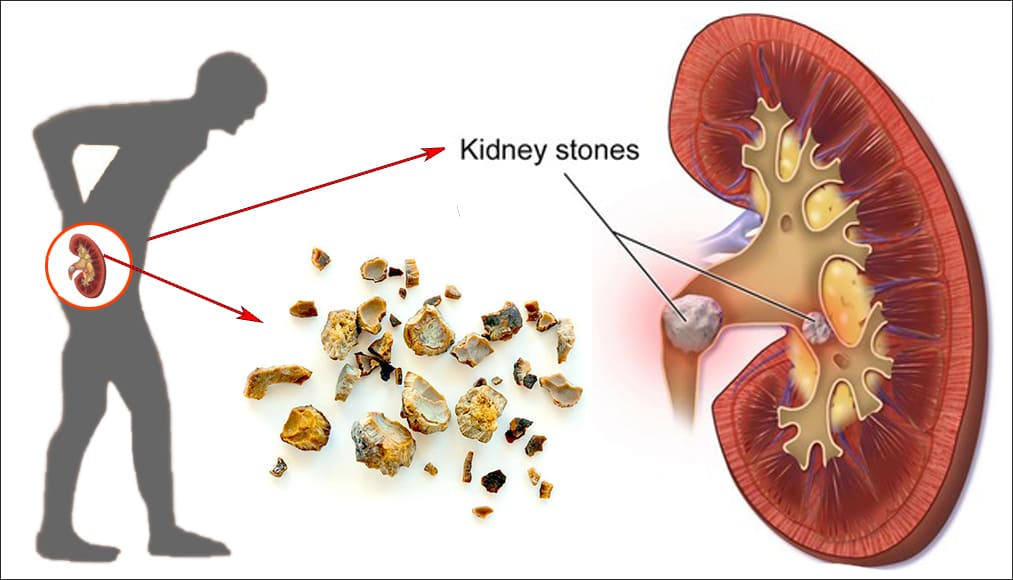
Kidney stones are hard mineral deposits that develop inside the kidneys when certain salts and minerals become concentrated and crystallize. Over time, these crystals grow into stones of different sizes. Some may pass naturally through urine, while others become lodged in the urinary tract and create severe pain.
Modern lifestyle habits are one of the biggest reasons behind rising kidney stone cases. Low water intake, excess salt, processed foods, irregular eating patterns, poor digestion, and sedentary routines all contribute to the formation of stones. Genetics can also increase risk, but lifestyle remains a major trigger.
Symptoms usually include sharp lower back pain, burning sensation while urinating, frequent urge to urinate, cloudy urine, blood in urine, or nausea. In severe cases, urinary blockage or infection may develop, which requires immediate medical attention.
Ayurvedic Perspective on Kidney Stones
In Ayurveda, kidney stones are referred to as Ashmari, a condition described in ancient Ayurvedic texts as the formation of stone-like masses in the urinary system. According to Ayurveda, stones develop due to the imbalance of Vata, Pitta, and Kapha doshas.
When digestion becomes weak, toxins known as Ama begin accumulating in the body. These toxins combine with aggravated doshas and gradually lead to crystallization inside the urinary tract.
An aggravated Kapha dosha creates heaviness and accumulation, which supports stone formation. Excess Pitta dosha generates heat, inflammation, and burning sensations, while disturbed Vata dosha causes pain, obstruction, and difficulty in elimination.
The Ayurvedic approach is therefore multi-dimensional. It works by improving digestion, reducing toxin load, balancing doshas, supporting urine flow, and helping the body naturally eliminate stone deposits.
How Ayurvedic Treatment for Kidney Stones Works
One of the biggest advantages of Ayurvedic treatment for kidney stones is that it addresses both symptoms and root causes. Instead of only offering temporary pain relief, Ayurveda aims to gradually dissolve stones, reduce discomfort, and prevent future recurrence.
Herbal formulations play a central role in treatment. Certain classical herbs are widely valued for their urinary cleansing, anti-inflammatory, and stone-supportive properties.
Punarnava is commonly used to support kidney detoxification and reduce water retention. It helps improve urinary flow and assists the body in flushing accumulated toxins.
Gokshura is another well-known herb for urinary health. It is traditionally used to soothe the urinary tract, reduce irritation, and support healthy kidney functioning.
Varun is especially valued in Ayurvedic kidney stone protocols because of its role in helping reduce stone deposits and supporting bladder health.
Perhaps one of the most famous herbs is Pashanbheda, whose name literally translates to “stone breaker.” It has been traditionally used to support the breakdown of urinary stone formations.
In addition to herbs, Ayurvedic practitioners may recommend detoxification therapies depending on the individual’s condition.
Panchakarma and Detox Support
Ayurveda considers detoxification essential in recurrent kidney stone cases. If the body repeatedly forms stones, it is often a sign that metabolic waste and toxins are not being eliminated efficiently.
Panchakarma, the classical Ayurvedic detox system, may be recommended under expert supervision. Therapies such as Virechana help clear excess Pitta and toxins, while Basti is used to balance Vata and support elimination pathways.
Oil therapies and body treatments may also be included to improve circulation, relaxation, and overall healing.
At centers like Osho Universe, these therapies are usually customized based on body constitution, symptoms, and stone severity.
Diet and Lifestyle Changes for Kidney Stones
Diet is one of the most important aspects of kidney stone prevention. Even the best treatment plan becomes less effective if food habits continue to trigger stone formation.
Hydration is the first and most important rule. Drinking adequate water throughout the day helps dilute urine and reduce crystal concentration. Coconut water, barley water, coriander water, and lemon-infused water are often recommended as supportive fluids.
Fresh fruits with high water content, such as watermelon and cucumber, can also support hydration naturally.
Ayurveda generally encourages light, fresh, and easy-to-digest meals during kidney stone treatment. Bottle gourd, ridge gourd, pumpkin, horse gram, and simple soups are commonly preferred.
At the same time, processed foods, excessive salt, junk food, aerated drinks, and refined sugar should be minimized. High dehydration beverages like excessive tea or coffee can also worsen the situation when consumed in large amounts.
Lifestyle matters equally. Sitting for long hours, poor sleep, chronic stress, and ignoring natural urges like urination can all aggravate urinary issues. Gentle daily movement, regular sleep patterns, and stress management are beneficial.
Why Kidney Stones Often Return
One common concern among patients is recurrence. Many people undergo treatment or procedures only to experience stones again months or years later.
This usually happens because the root triggers remain unchanged. Low hydration, acidic diet patterns, metabolic issues, poor digestion, and toxin accumulation continue silently.
This is why Ayurvedic treatment for kidney stones focuses strongly on prevention. By improving internal balance and daily habits, Ayurveda aims to reduce the likelihood of future stone formation.
When Immediate Medical Care Is Needed
Although Ayurveda can be supportive, there are situations where urgent medical attention is necessary. If you experience severe unbearable pain, fever, inability to pass urine, persistent vomiting, or heavy blood in urine, professional medical evaluation should not be delayed.
Natural healing works best when used responsibly and under proper guidance.
Begin Your Natural Healing Journey with Osho Universe
Living with kidney stones can be physically exhausting and mentally stressful, especially when symptoms keep returning. Temporary relief methods may reduce pain for a while, but lasting improvement often requires a deeper healing strategy.
At Osho Universe, Ayurvedic experts focus on individualized wellness programs designed to support kidney health, improve urinary function, and help the body move toward long-term balance naturally.
With the right combination of Ayurvedic herbs, detox therapies, dietary guidance, and lifestyle correction, many individuals find a more sustainable path toward kidney wellness.
If you are looking for a natural and holistic approach, connect with Osho Universe to explore personalized Ayurvedic treatment for kidney stones and begin your healing journey with confidence.
Frequently Asked Questions
Can Ayurveda help with kidney stones naturally?
Ayurveda may support kidney stone management by promoting urinary cleansing, reducing inflammation, and helping maintain internal balance.
Which herb is commonly used in Ayurvedic treatment for kidney stones?
Herbs such as Punarnava, Gokshura, Varun, and Pashanbheda are traditionally used in Ayurvedic protocols.
Is kidney stone recurrence common?
Yes, recurrence is common when hydration, diet, and metabolic imbalances are not corrected.
Can diet affect kidney stone formation?
Absolutely. Low water intake, high salt, processed foods, and poor dietary habits are major contributors.
Where can I get Ayurvedic support for kidney stones?
You can consult experienced Ayurvedic practitioners or wellness centers such as Osho Universe for personalized guidance.